How to Bring the Five Elements Into Your Personal Life
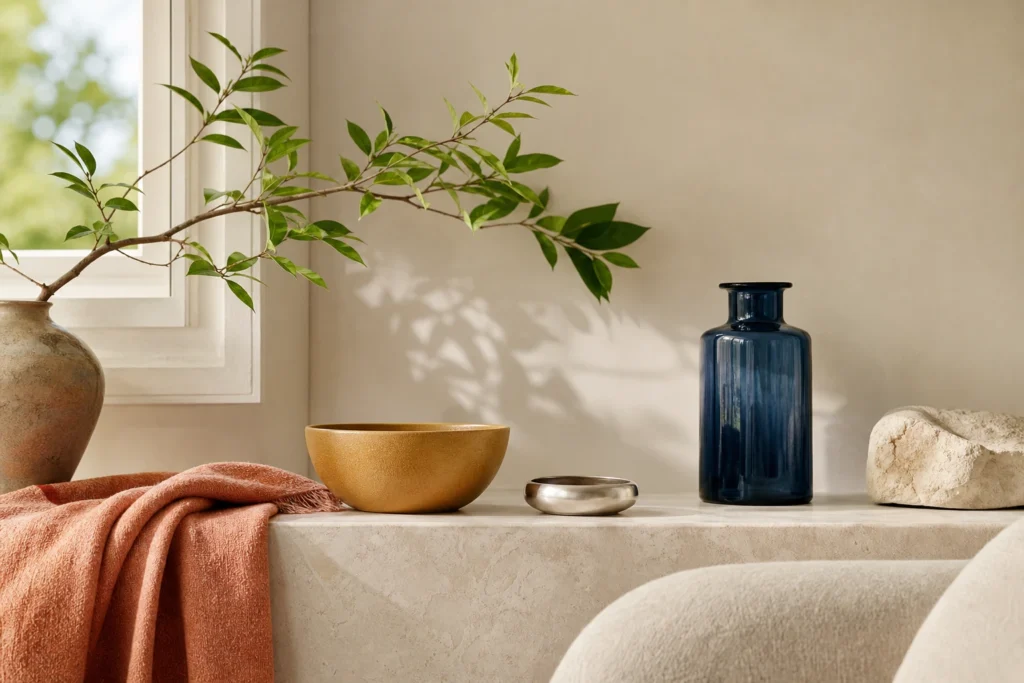
A Five Element reading can feel abstract until it meets ordinary life. The useful part is not memorizing a chart. It is noticing how your habits, surroundings, and relationships influence the qualities you have available on a given day.
Most people recognize several tendencies in themselves. You may initiate easily but struggle to rest. You may support everyone else but delay your own decisions. The elements offer a shared language for these patterns without reducing you to a type.
Read your pattern as information, not identity
A strong Wood tendency may look like constant planning and forward movement. Fire may show up as visible enthusiasm. Earth may prefer reliability and familiar rhythms. Metal may seek clarity and standards. Water may need privacy and time to process.
The same quality can help in one context and become tiring in another. Direction can become pressure. Warmth can become overstimulation. Stability can become inertia. Standards can become rigidity. Reflection can become avoidance. Balance begins with context.
Shape the environment around the quality you need
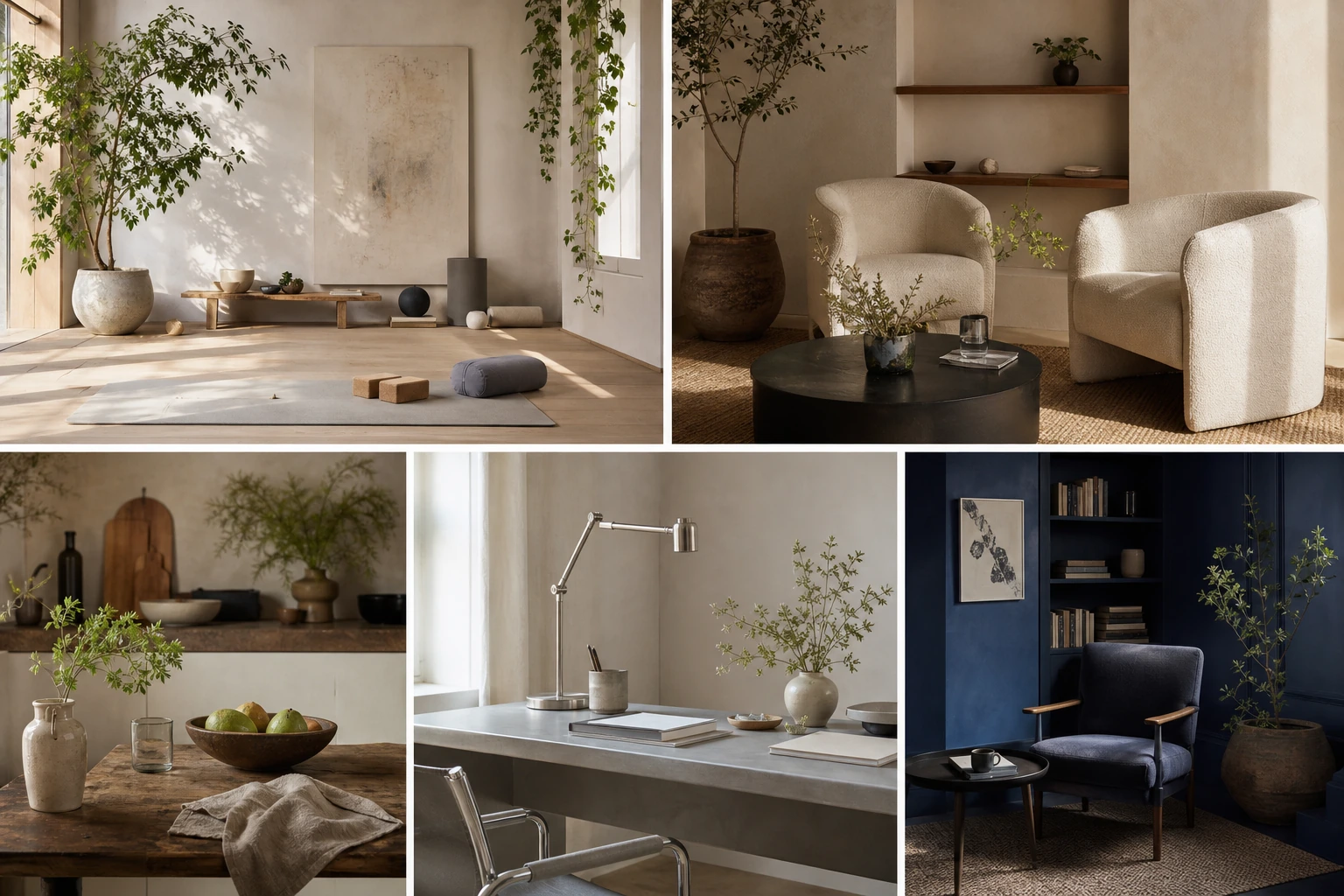
Your surroundings can act as quiet cues. A crowded, competitive room may amplify Fire. An open schedule may support Water but frustrate someone who needs Earth. A clean workspace may strengthen Metal, while a visible plan and living plants may invite Wood.
- For Wood, create a visible path forward and room to move.
- For Fire, bring in warm light, music, and human connection.
- For Earth, use tactile materials, predictable routines, and a place to settle.
- For Metal, reduce visual noise and make boundaries easy to see.
- For Water, protect quiet, privacy, and unstructured thinking time.
Use color and texture as reminders
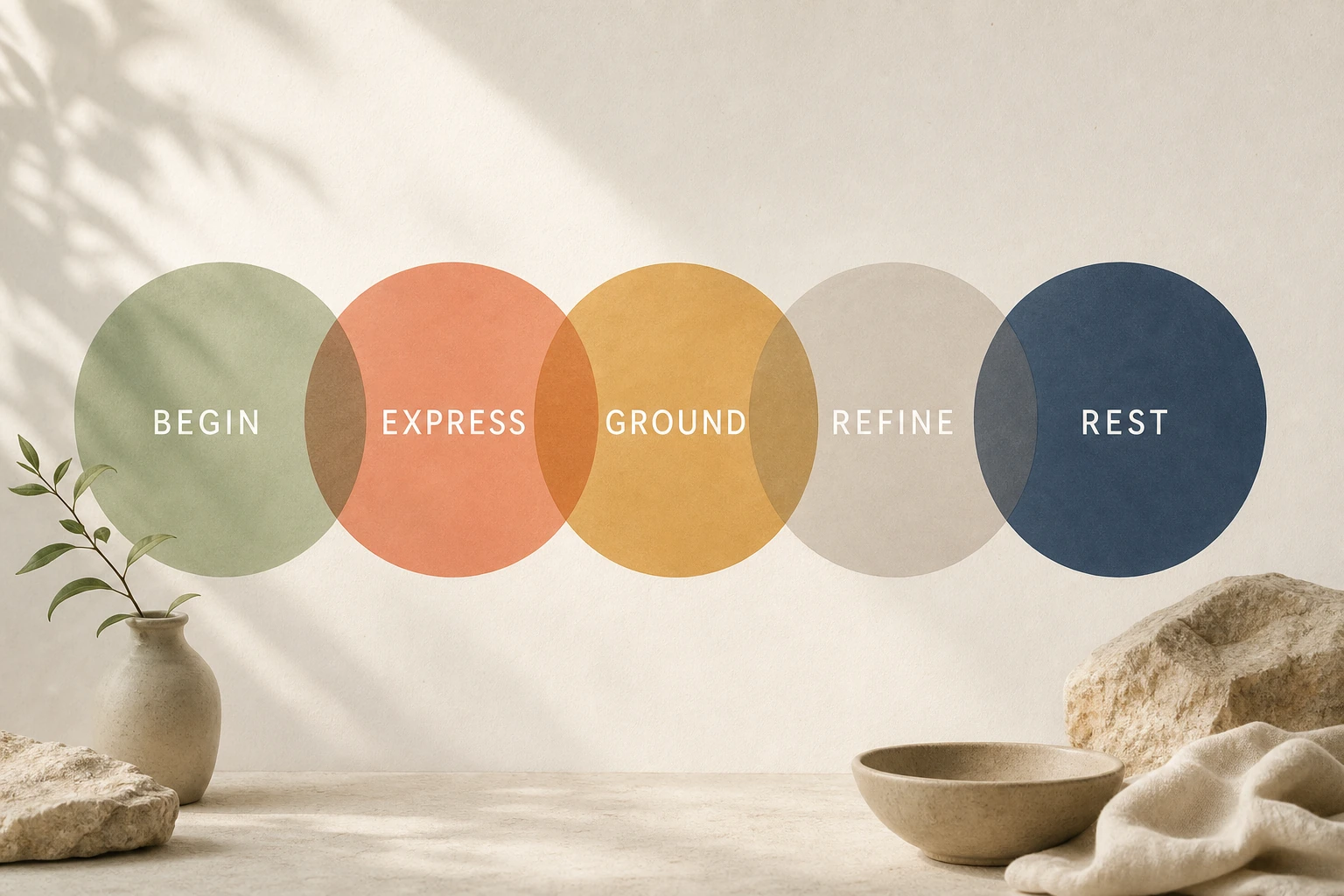
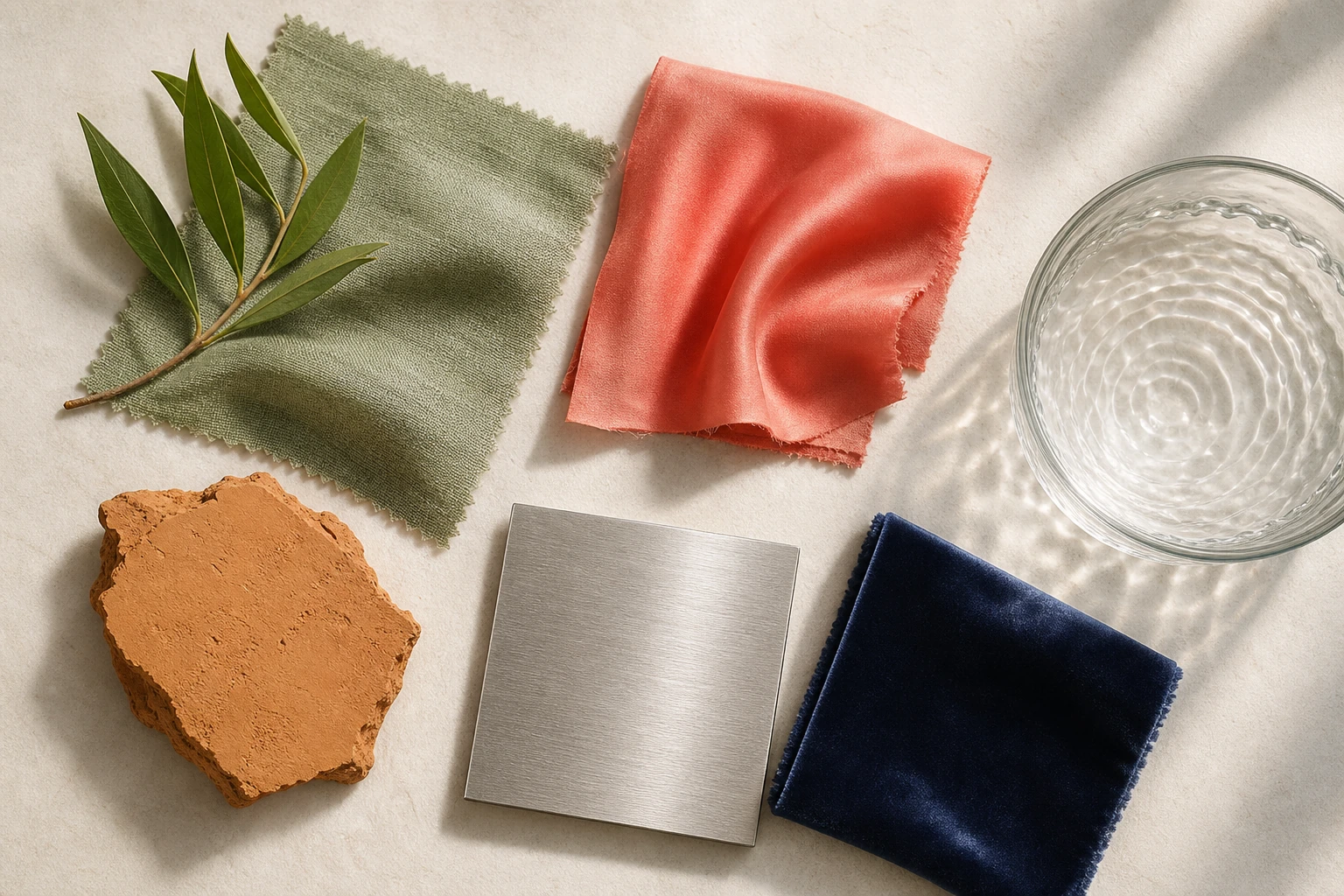
Color is not a prescription, and no shade can change your destiny. It can still function as a sensory reminder. Green and botanical texture may remind you to begin. Coral or red can cue visibility. Ochre and clay can suggest steadiness. White and silver can support simplicity. Deep blue and fluid texture can signal a slower pace.
Choose the association that feels meaningful to you. The intention matters more than following a rigid chart.
Let the elements improve communication
The framework becomes especially useful when it helps you hear a need beneath a behavior. Wood may want its direction respected. Fire may want acknowledgment. Earth may want reliability. Metal may want clarity and boundaries. Water may want time and nonjudgmental listening.
Instead of deciding that someone is too intense, too slow, too strict, or too quiet, ask what condition would help the conversation become safer and more productive.
Use the elements to become more curious about a person, never more certain that you have defined them.
Start with one intentional change
Pick one situation that has felt difficult. Name the quality already present, the quality that may be missing, and one small adjustment to your environment or behavior. Then observe the result. Five Element practice is most useful as an experiment in attention.
A thoughtful note
The Five Elements are presented here as a traditional cultural framework for reflection and intentional living. They are not a medical or psychological diagnosis, and crystals or symbolic practices are not a substitute for professional health care. Choose the ideas that feel useful, and leave the rest.